

Art Institute of Chicago
Art Institute of Chicago (Academic — UX D 260)
UX Researcher & Designer
Figma, Research Methodology
2025 — 2026
Designed for digitally native visitors ages 16 – 25.
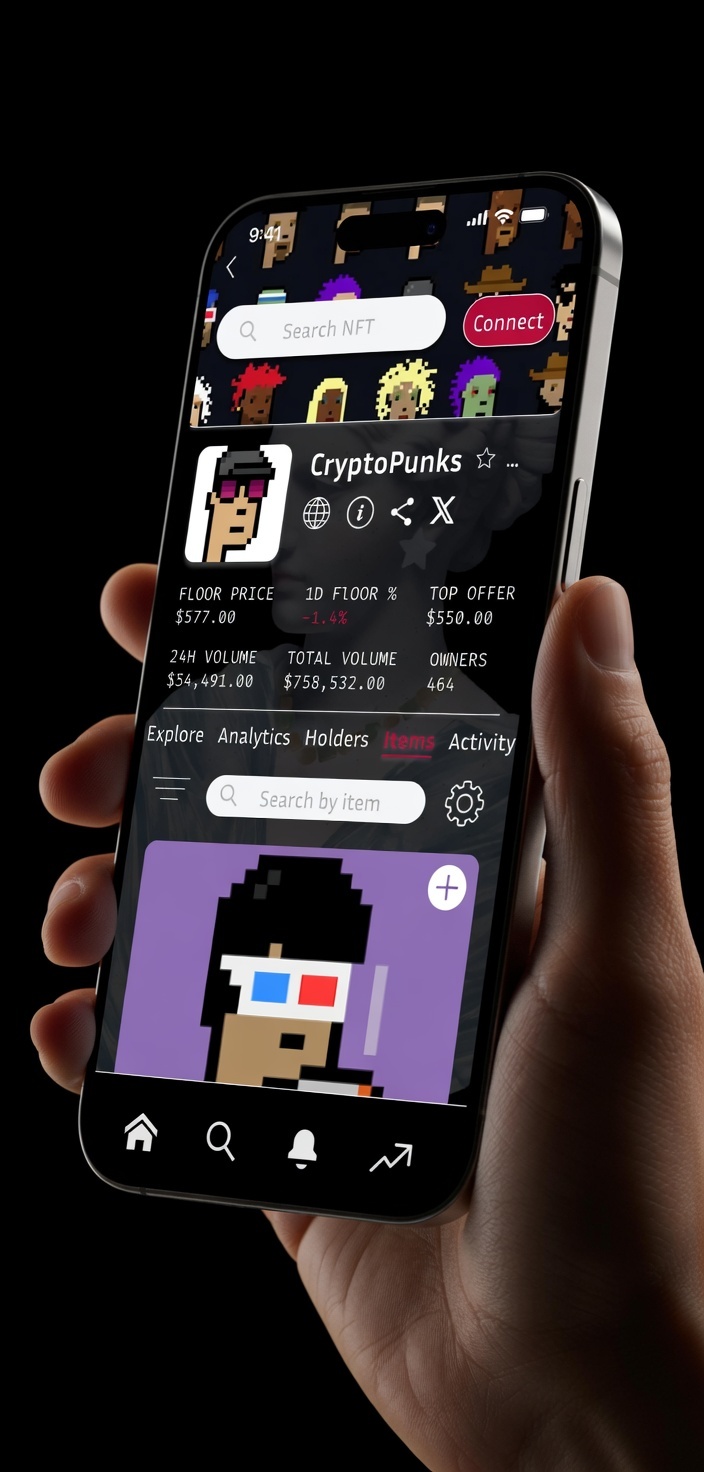
A hybrid museum exhibit that blends immersive digital installations with collectible NFTs. Visitors experience art physically and digitally, extending their visit beyond museum walls.
When your core audience ages out: the Art Institute's aggressive shift to younger, more diverse visitors.
Can an iconic art museum reinvent itself for Gen Z and diverse communities without losing the donors who've kept it alive for decades?
Research Methods
We conducted qualitative user research to understand how young adults experience museums and cultural outings.
Methods
12 semi-structured interviews. Ages 18 – 25. College students & young professionals. 20 – 30 minutes each. Remote & in-person sessions.
Focus Areas
Social behavior & leisure habits. Museum perceptions. Technology usage during outings. Barriers to attendance.
Participants
A mix of frequent visitors, occasional visitors, and museum-avoidant users across multiple majors.
Demographics
Who we talked to before designing anything.
12 participants
Ages 18 – 25.
A mix of frequent visitors, occasional visitors, and museum-avoidant users.
Students across multiple majors.
Key Research Findings
What patterns showed up?
Museums feel like a time commitment.
Young adults prefer flexible, low-pressure experiences.
Social friction is a barrier.
Coordinating schedules and group plans discourages visits.
Cost influences decisions.
Free days and discounts significantly increase likelihood of attendance.
Experiences feel passive.
Text-heavy exhibits reduce engagement and energy.
Technology is welcome if useful.
Apps are accepted when they enhance interaction, not overwhelm.
Discovery happens on social platforms.
TikTok, Instagram, and friends drive event awareness.
Museums feel like you're signing up for a whole thing.
— Interview Participant, Age 20
01 — Research Method
Experience Ecosystem
Phase 1
Enter
Phase 2
Engage
Phase 3
Exit
Phase 4
Extend
02 — Problem
Problem.
To combat stagnant growth and reduced funding, the Art Institute is moving beyond its traditional, older, affluent base to aggressively target and engage a younger, more diverse demographic. How do we solve this?
03 — Program Concept
Who are we designing for?
Web3 and crypto really click with the 18 to 25 crowd. Mostly Gen Z, because they match how this group already lives: digital first, meme obsessed, skeptical of old school systems, and hungry for quick wins. Crypto Twitter feels like an extension of TikTok or IG with its nonstop memes, hype threads, influencer drops, and stories of young people flipping NFTs or memecoins for big gains…feeding that FOMO and I could do that energy.
Discord is even more their spot. Web3 projects turn it into lively hangouts with voice chats, giveaways, NFT drops, play to earn games, and token rewards that blend gaming vibes with real money upside. Low entry barriers let them jump in cheap, own cool digital stuff, and experiment without middlemen.
Stats back it up: over half of Gen Z has owned crypto, way more than older folks. They're drawn to the freedom, borderless access, creative ways to make money like NFTs or DAOs (decentralized autonomous organizations), and high stakes plays that could beat traditional investing, according to a Gemini survey. The chaotic, fun, community-driven culture just pulls them in naturally.
03 — Program Concept
Why is it important?
Target audience shift.
Traditional museum visitors skew older; this targets Gen Z and young millennials who are digital natives, crypto curious, and active on social platforms. By offering NFTs, raffles, trivia, and events, it creates fun, low-barrier entry points that feel more like gaming/social media than a sterile gallery visit.
Support emerging artists.
Provides a platform for young or new creators to mint (create), exhibit, and sell their digital art as NFTs, with the incentive of real monetary upside (primary sales + ongoing royalties).
Phygital (physical + digital) experiences.
Bridges online NFTs with in-person museum perks, like exclusive access, events, or exhibits tied to holding certain NFTs.
03 — Program Concept
Current trends
As of early 2026, NFTs among 18-25-year-olds have shifted to a more mature phase…
15%
of NFT owners are 18 – 24. The 25 – 34 group (which overlaps with older Gen Z) is bigger at ~38%.
14%
Gen Z shows the highest expressed interest in surveys, though actual buying often trails millennials (who are roughly 3× more likely to purchase).
80%
of Gen Z in metaverse/gaming spaces have traded NFTs.
40%
of Gen Z plan to trade more crypto in 2026 (vs. just 11% of boomers), with high trust in platforms.
Adoption is growing in gaming (biggest driver — play-to-earn, in-game assets, metaverse items), phygital experiences (digital + real-world perks like events or merch), and brand/creator drops (loyalty, exclusive access, digital fashion). Young people value digital ownership, scarcity, community, and cultural vibes — especially since traditional wealth-building (houses, stocks) feels out of reach. They're more open to NFTs tied to fandoms, creators, or fun rewards. Broader crypto enthusiasm helps.
03 — Program Concept
How the AIC Benefits
Revenue diversification — generates income for the institution via marketplace royalties (your 5% cut on sales) while also giving artists perpetual 5% royalties on secondary sales — a standard web3 perk that traditional art sales rarely offer.
Revenue Streams
- One-time exhibit upgrade fee
- NFT sales commission
- Member exclusive drops
- Royalties on each NFT sold on platform
Center Visual
04 — Insights
Key Behavioral Insights
Cost Sensitivity
Young adults are highly price aware. Free days and discounts significantly increase likelihood of attendance.
Planning Friction
Scheduling and group coordination create barriers that discourage spontaneous visits.
Engagement Expectations
Visitors prefer interactive and self-paced experiences that feel optional and easy to exit.
Entertainment Preference
Experiences perceived as entertaining are more appealing than purely educational formats.
Mobile/Native Behavior
Smartphones are expected to be part of the experience when they provide clear value.
Social Motivation
Leisure activities are more attractive when they enable shared social experiences.
04 — Insights · Exhibit Identity
Own the moment. Experience the future of art.
Goal: Make the project feel real and branded.
04 — Insights
NFT?
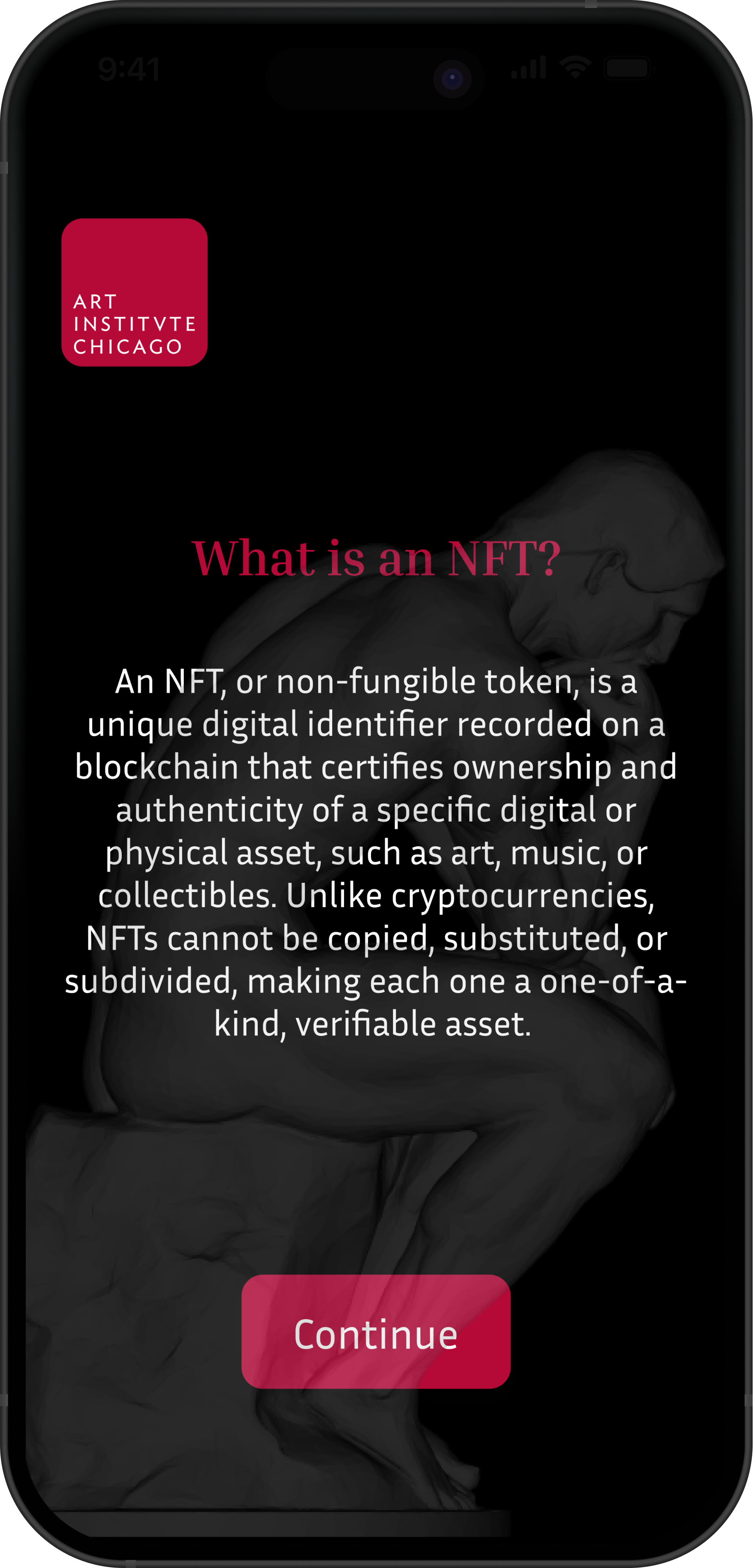
What is an NFT?
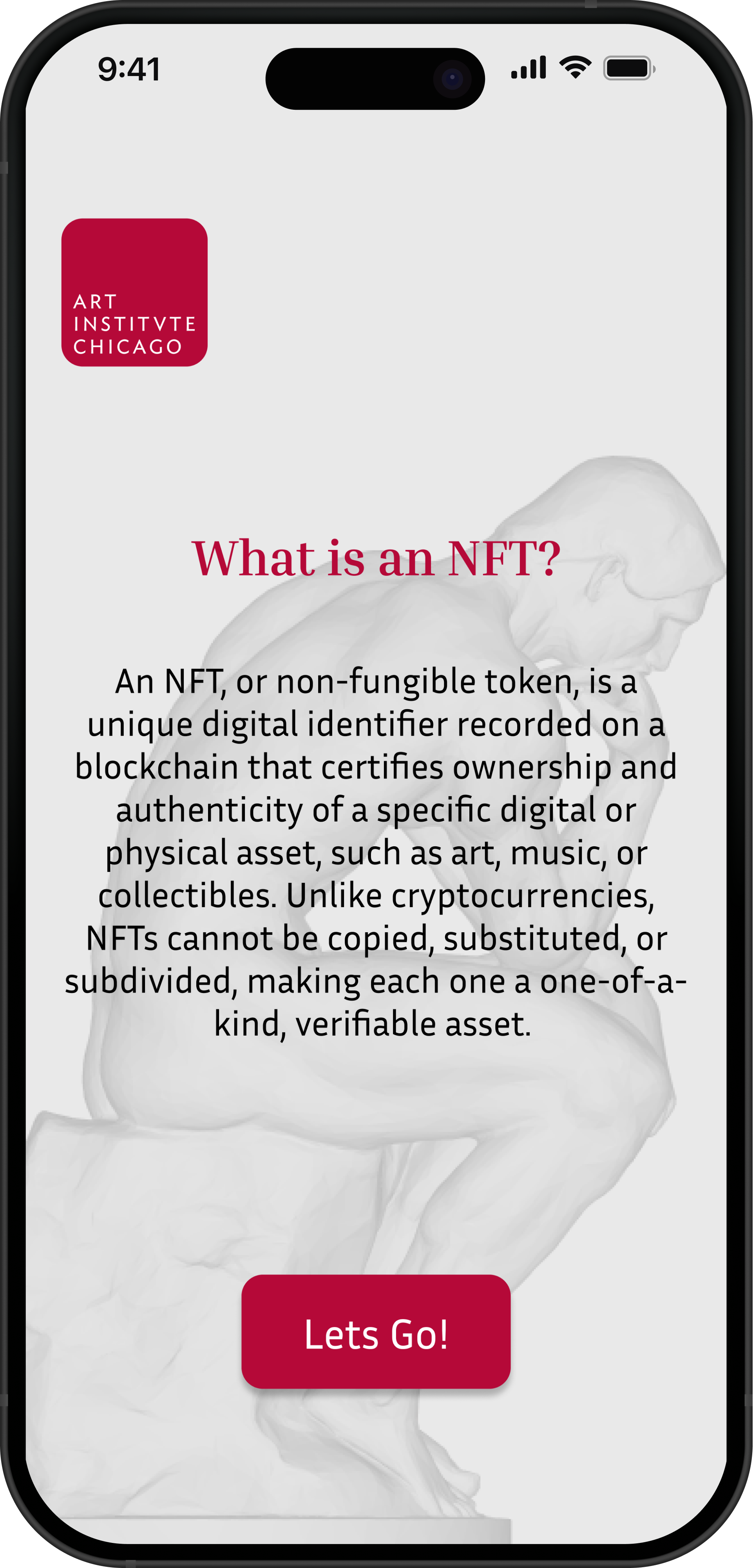
An NFT is a digital certificate of ownership. Think of it like a digital receipt or a signed deed for a virtual object, such as a piece of art, a music file, or a video game character.
While anyone can still see, download, or screenshot the digital file, the NFT is the only "official" record showing who actually owns the original version on the blockchain.
Why it matters for museums
- Makes digital art collectible
- Appeals to younger audiences
- Extends the museum experience beyond the visit
04 — Insights
Visitor Emotional Journey
Visitor Emotional Journey Across the Museum Experience.
Discovery
Neutral
- Finds exhibit through social media
- Interested in something new to do
- Looking for a break from routine
Planning
- Checks ticket prices
- Coordinates schedules with others
- Questions whether the visit is worth it
- Feels overwhelmed and hesitant
Arrival
- Tries to find parking
- Navigates unfamiliar space
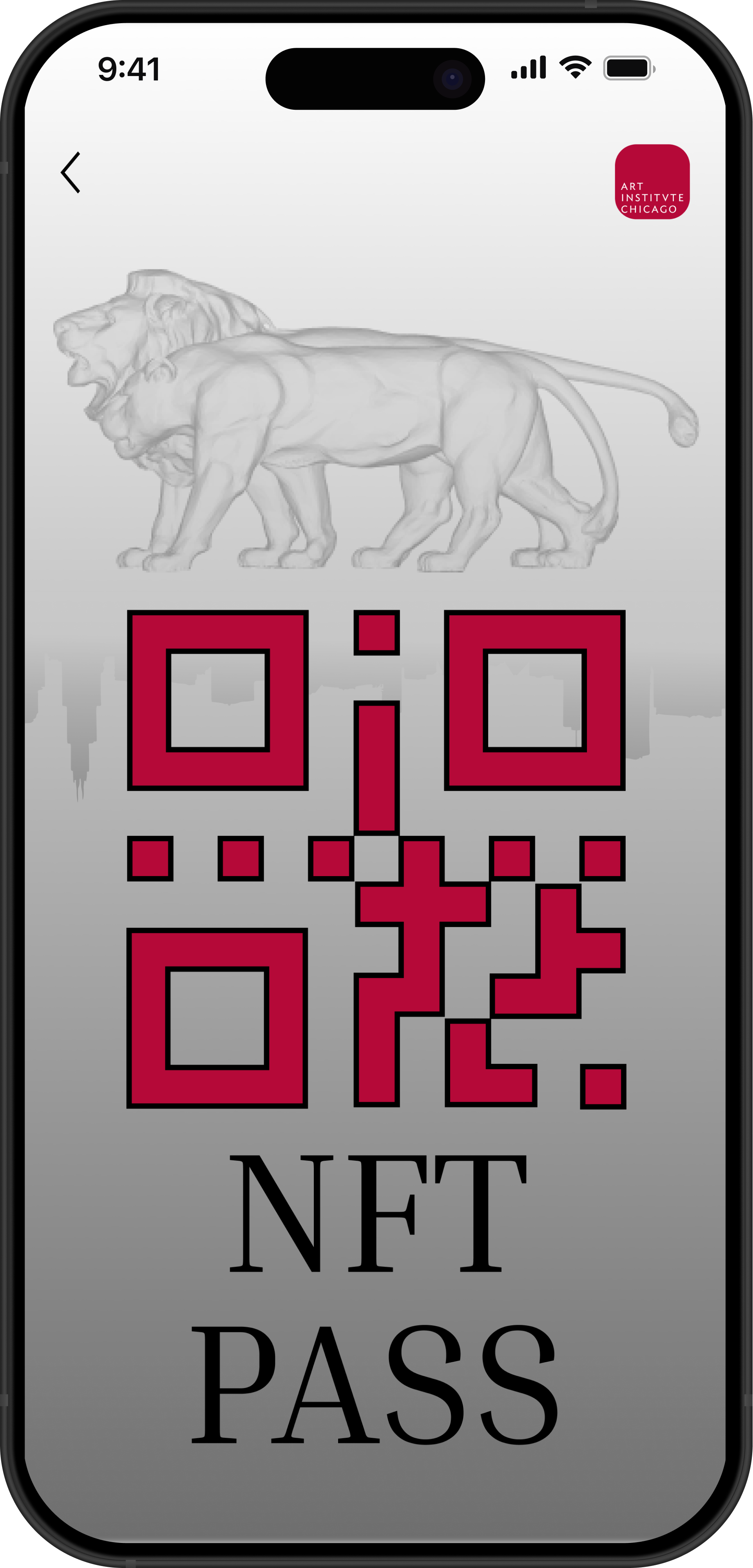
- Scans digital ticket
- Energy drops before experience begins
Engagement
Neutral
- Walks through exhibits
- Takes photos and short videos
- Limited interactivity
- Passive viewing experience
Exit & Reflection
Neutral
- Leaves museum
- Unsure if time and money felt worthwhile
- Experience feels short-lived
- Inspiration does not extend beyond visit
04 — Design Principles
Four guiding principles.
Frictionless entry
Mobile first engagement
Optional depth of learning
Shareable social moments
05 — Figma Concept
Our Design Choices
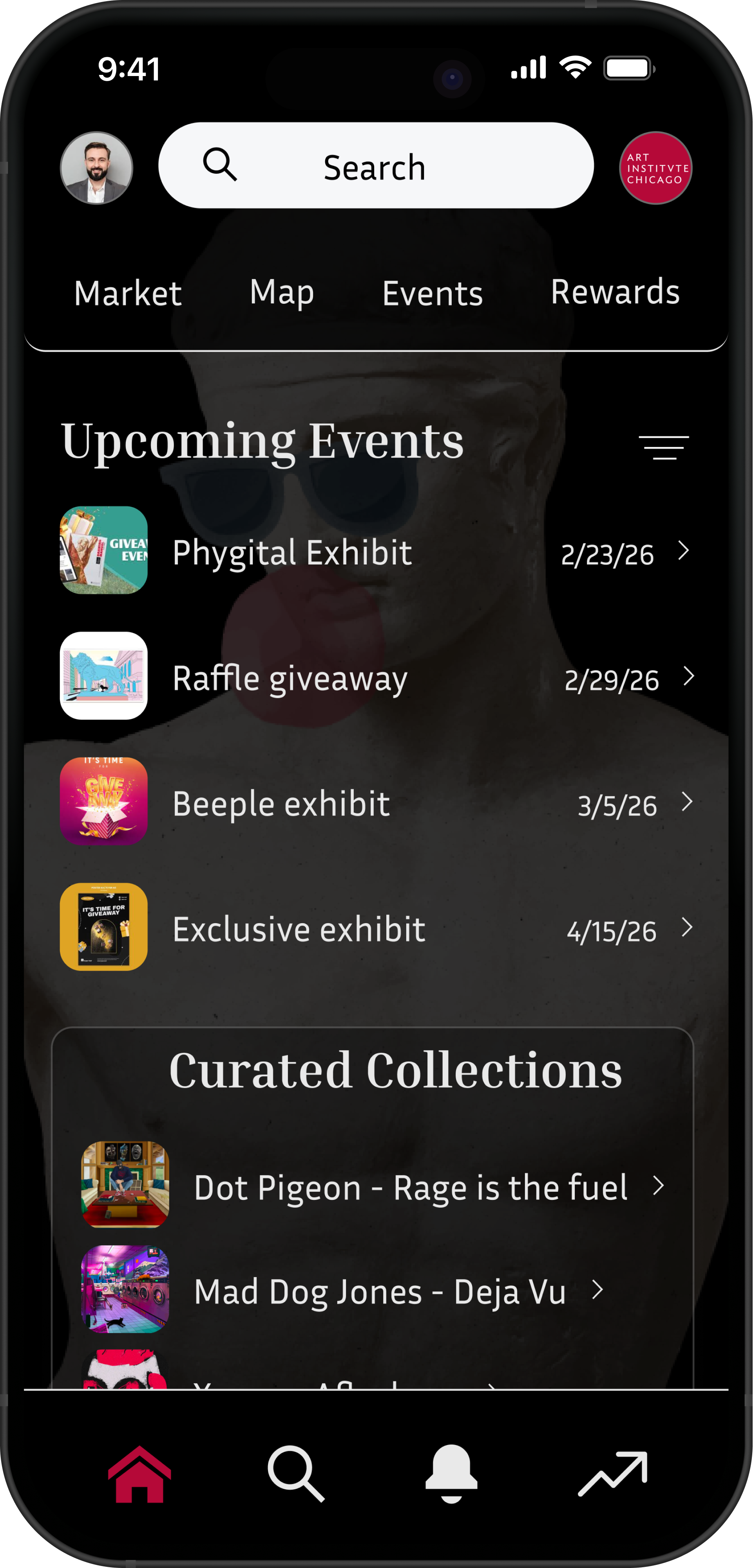
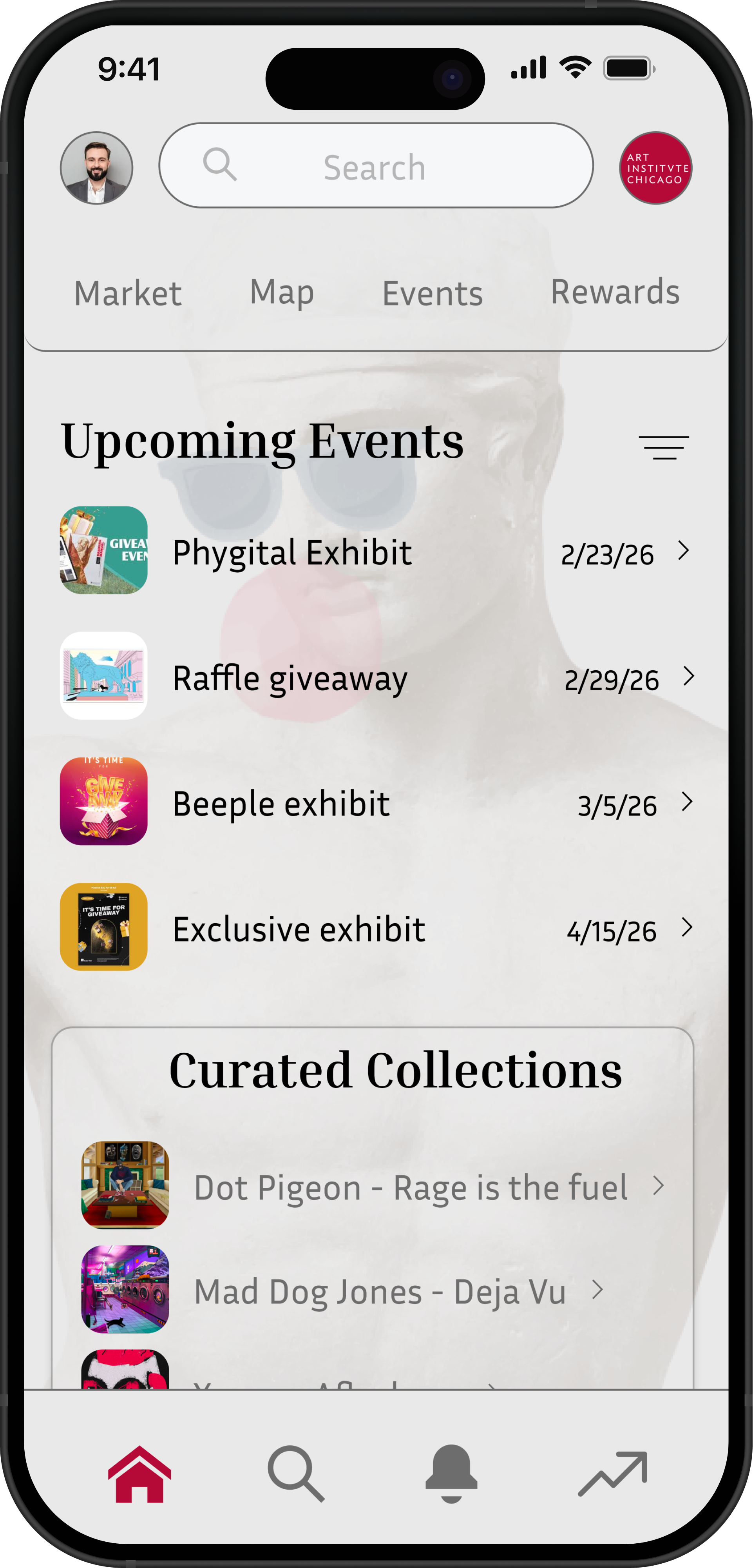
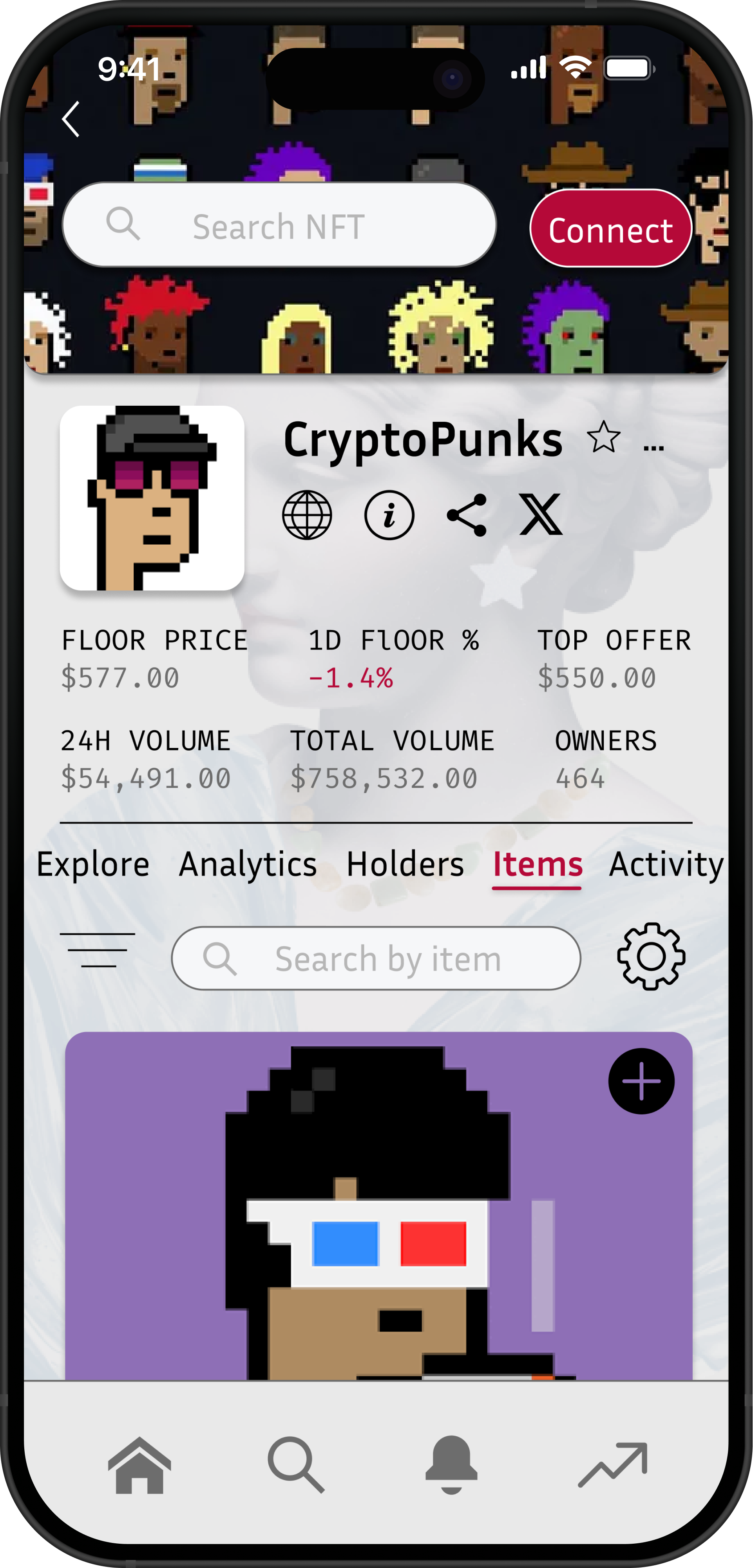
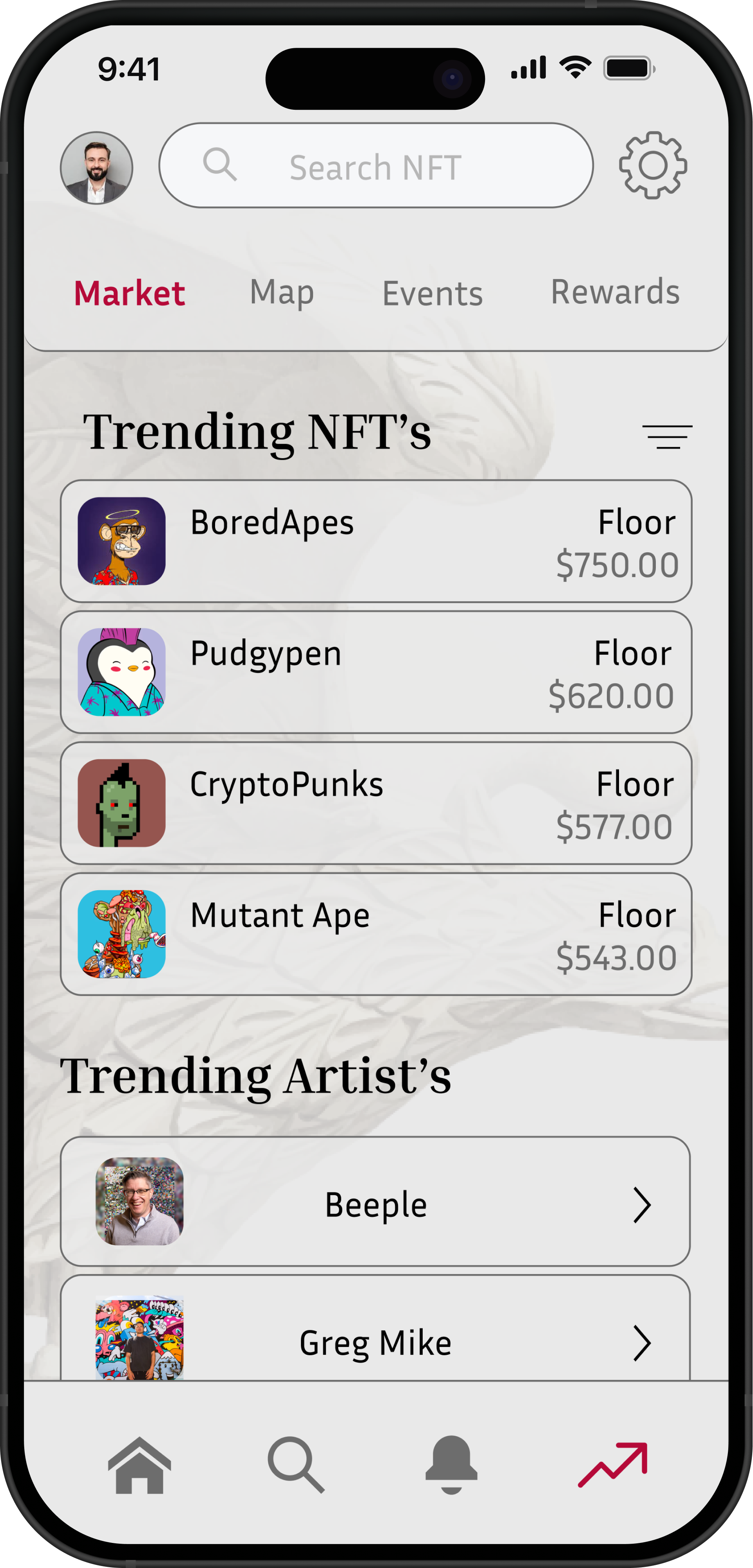
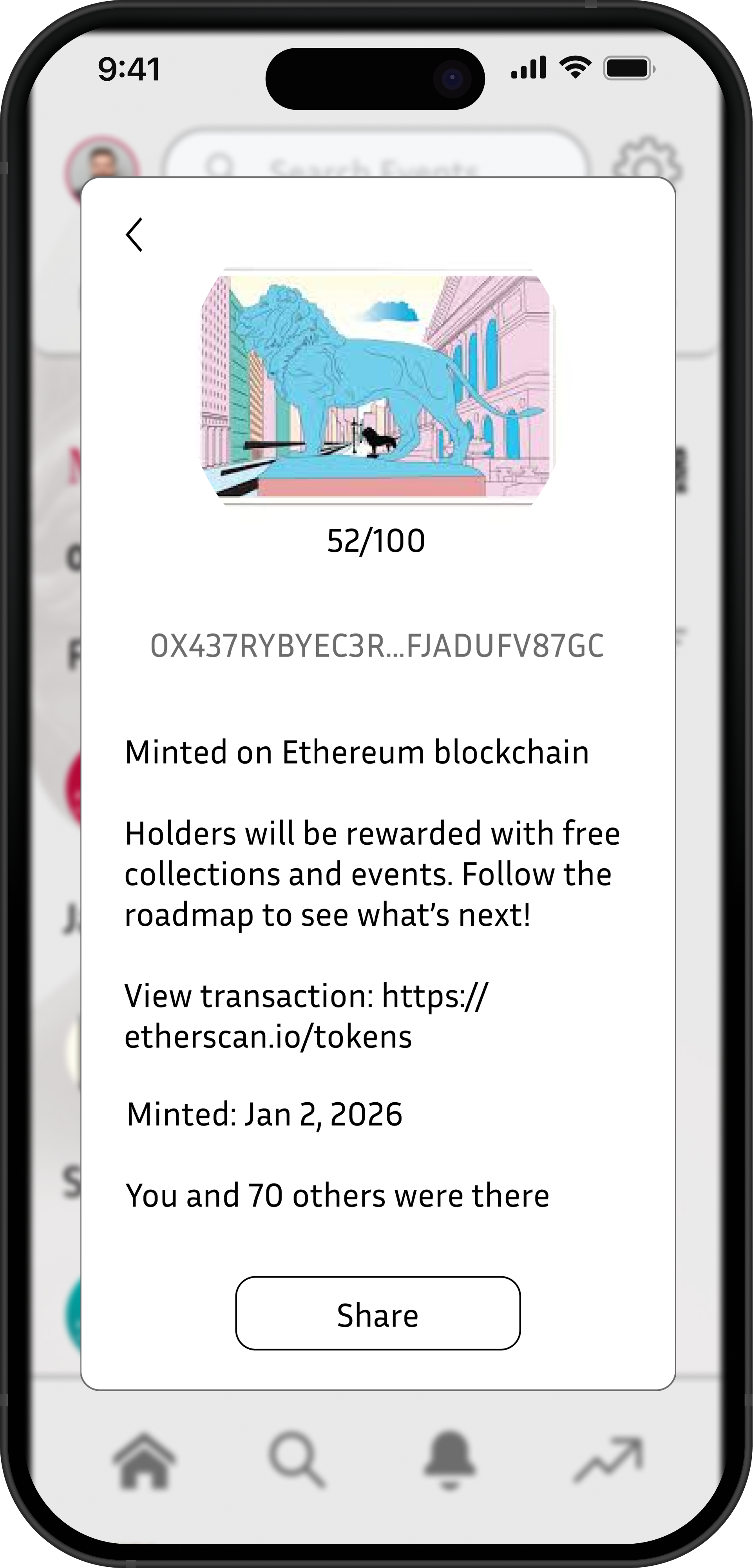
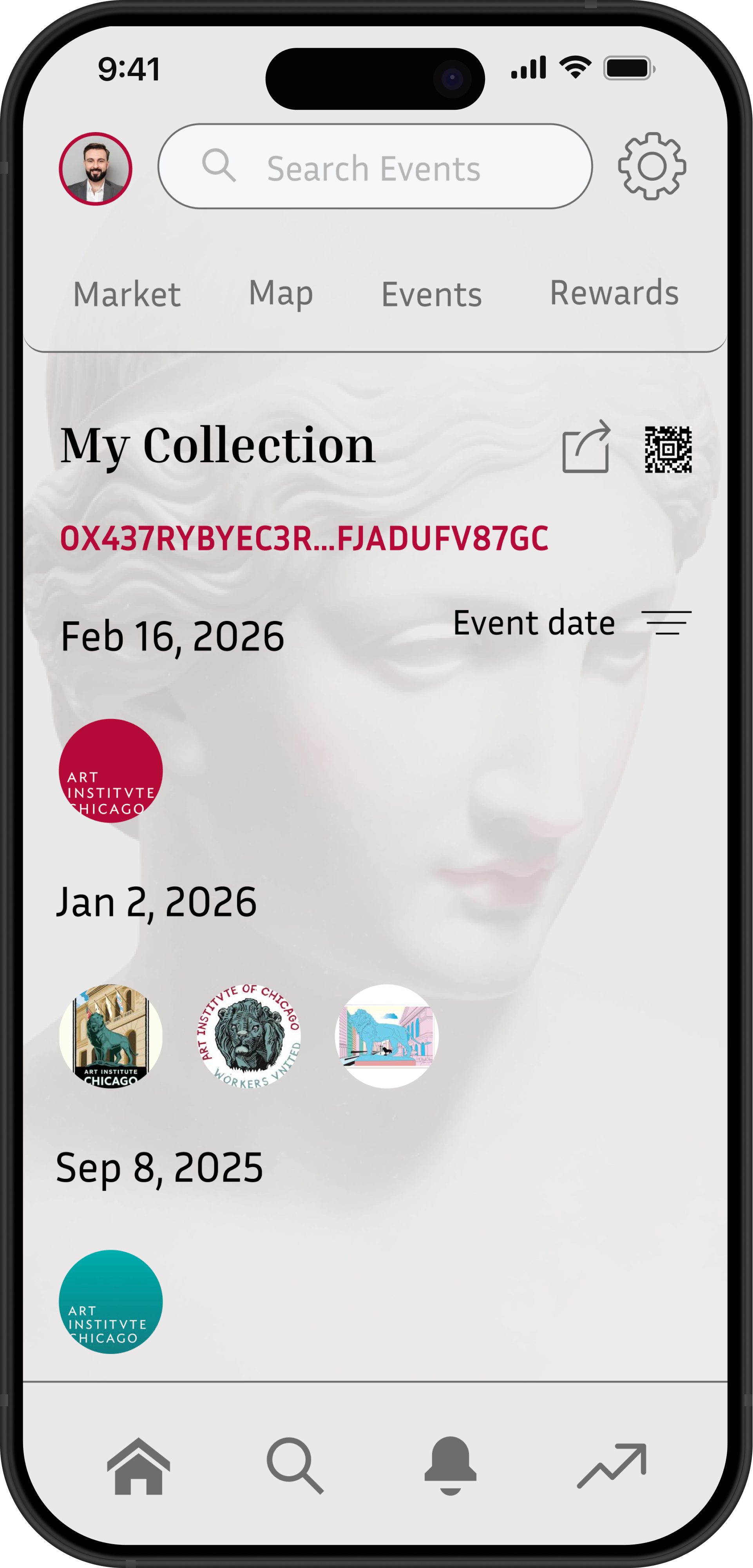
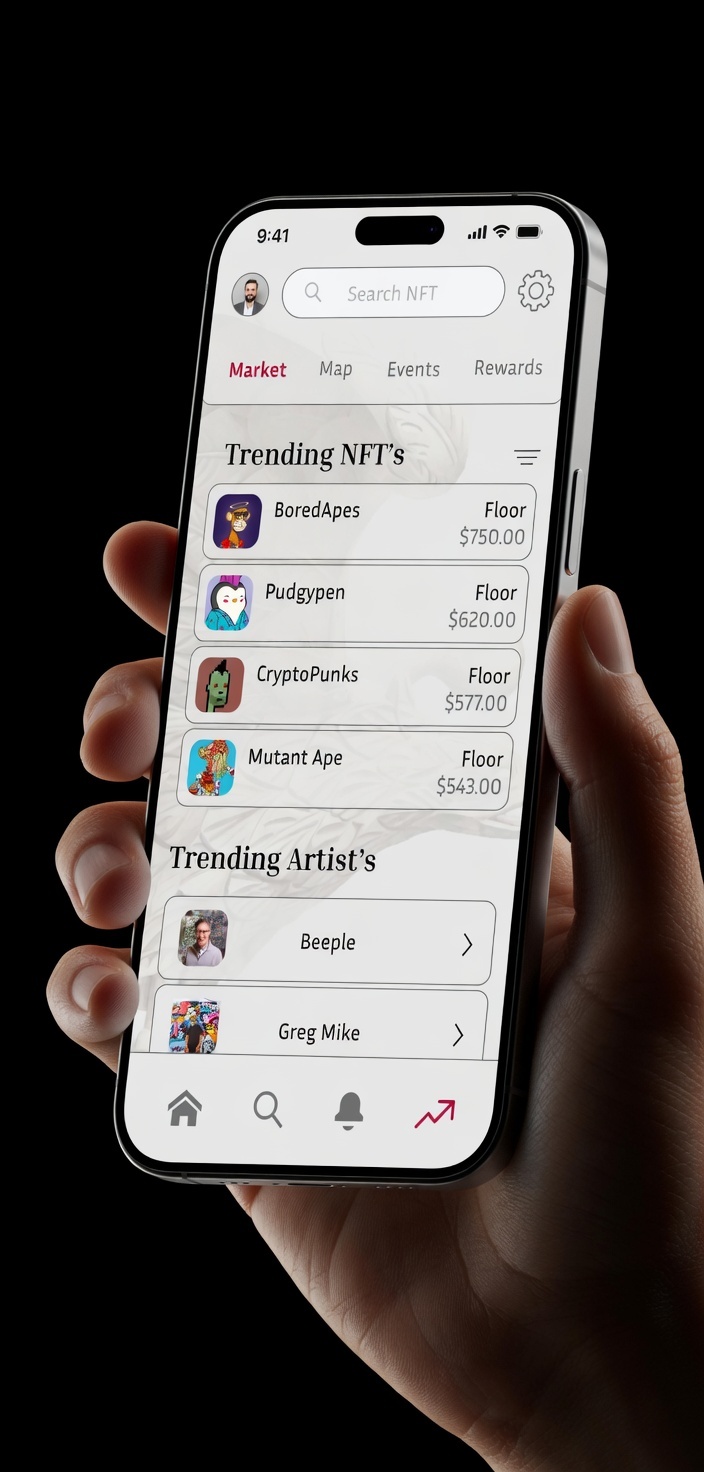
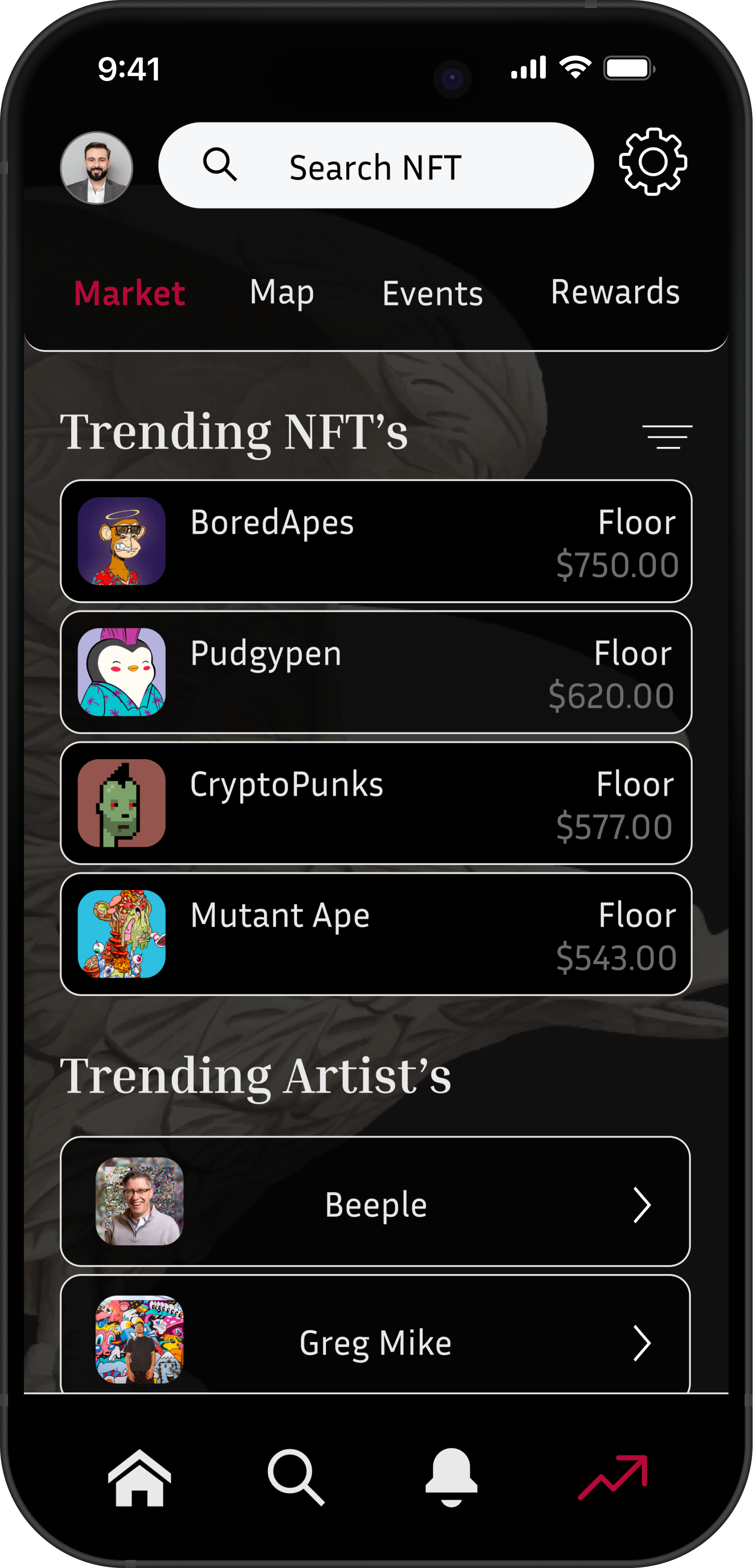
An infinite list pattern was implemented while utilizing cards and linear rows. It helps organize content while maintaining rhythm and continuity for the user.